

Travel During Off-Season: How I Save Money and Travel Smarter
Travel has always been one of my biggest passions, but if I’m being honest, it hasn’t always been easy on my wallet. Over time, I’ve learned that the key to traveling more without overspending isn’t just about finding deals—it’s about when you choose to travel.
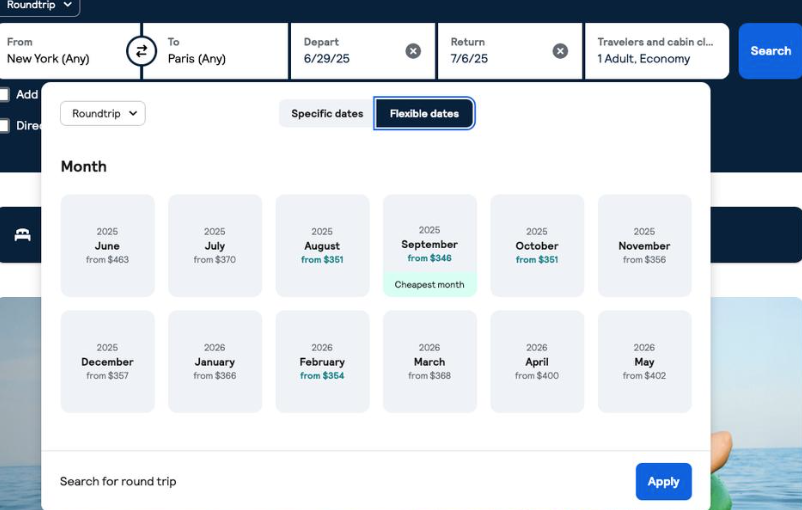
One of the smartest decisions I’ve made is traveling during the off-season. At first, I didn’t think timing would make that much of a difference. I assumed travel prices were just “expensive” across the board. But once I started paying attention to seasonal trends, I realized something powerful: the same trip can cost significantly less just by shifting your travel dates.
In this blog, I’m going to walk you through exactly how traveling during the off-season has helped me save money, reduce stress, and create better travel experiences—and how you can do the same.
✈️ What Is Off-Season Travel?
Off-season travel refers to visiting a destination during times of the year when demand is lower. This usually means avoiding peak travel periods like summer vacations, major holidays, and school breaks.
Instead, I aim for:
- Late fall (after peak summer travel ends)
- Early spring (before summer crowds begin)
- Mid-week travel dates
- Shoulder seasons (the time between peak and off-peak)
Every destination has its own off-season, but the concept remains the same—fewer tourists means lower prices and a more relaxed experience.
💰 How I Save Money Traveling Off-Season
1) Cheaper Flights
One of the first things I noticed when I started traveling off-season was how much cheaper flights became. Instead of paying premium prices during holidays or summer months, I began booking flights during less popular times—and the difference was shocking.
For example, a flight that might cost $500 during peak season can drop to $250 or less during off-peak travel times.
I also noticed:
- More seat availability
- Better flight times
- Less stress at the airport
Booking off-season has easily saved me hundreds of dollars per trip.
2) Lower Hotel Prices
Hotels are another area where I’ve seen major savings. When fewer people are traveling, hotels often lower their prices to attract guests. I’ve stayed in beautiful accommodations—sometimes even upgraded rooms—for a fraction of the cost.
Some benefits I’ve experienced include:
- Discounted nightly rates
- Free upgrades when available
- Flexible booking options
This has allowed me to enjoy higher-quality stays without stretching my budget.
3) Discounts on Activities and Attractions
Another hidden advantage of off-season travel is cheaper activities. Tours, excursions, and attractions often offer reduced pricing or special deals during slower months.
I’ve been able to:
- Book tours at discounted rates
- Skip long lines entirely
- Enjoy attractions without feeling rushed
In many cases, I’ve had experiences that felt more personal simply because there were fewer people around.
🌍 Why I Actually Prefer Traveling Off-Season
Saving money is great—but what really made me stick with off-season travel is the overall experience.
1) Fewer Crowds
This is probably my favorite benefit. There’s nothing like exploring a destination without massive crowds. I’ve been able to take photos, enjoy views, and fully experience places without feeling overwhelmed. Traveling feels calmer, more intentional, and more enjoyable.
2) Less Stress
When I travel during peak times, everything feels rushed—long lines, packed airports, crowded restaurants. Off-season travel changes that completely.
I’ve experienced:
- Shorter wait times
- Easier reservations
- Smoother transportation
It allows me to truly relax and enjoy the journey.
3) More Authentic Experiences
One thing I didn’t expect was how much more authentic my trips would feel. When destinations aren’t overwhelmed with tourists.
I’ve found it easier to:
- Connect with locals
- Discover hidden gems
- Experience the culture more naturally
It feels less like a tourist trip and more like a genuine experience.
📅 How I Plan My Off-Season Trips
Planning is key when it comes to off-season travel. Here’s exactly what I do:
1) Research the Destination’s Travel Seasons
Before booking anything, I always research:
- Peak season
- Shoulder season
- Off-season
This helps me identify the best times to go for both savings and good weather.
2) Check the Weather
Off-season doesn’t always mean bad weather—it just means fewer tourists.
I make sure to:
- Look up average temperatures
- Check rainfall patterns
- Plan activities accordingly
Sometimes the weather is still great—just without the crowds.
3) Stay Flexible
Flexibility has been one of my biggest advantages.
I try to:
- Adjust my travel dates slightly
- Fly mid-week instead of weekends
- Avoid major holidays
Even small changes can lead to big savings.
4) Set a Budget
Before I book anything, I create a clear travel budget.
This helps me:
- Stay in control of my spending
- Allocate money for experiences
- Avoid unnecessary expenses
A well-planned budget makes the entire trip smoother and stress-free.
⚠️ Things I Always Consider Before Traveling Off-Season
While off-season travel has many benefits, there are a few things I always keep in mind.
1) Limited Availability
Some attractions or restaurants may have reduced hours or be temporarily closed.
To avoid surprises, I:
- Check opening times in advance
- Have backup plans
2) Weather Changes
Depending on the destination, off-season can sometimes mean unpredictable weather.
I always:
- Pack appropriately
- Plan indoor activities
- Stay flexible with my itinerary
4) Fewer Flight Options
There may be fewer flights available during off-peak times.
That’s why I:
- Book early
- Compare different routes
💡 My Personal Tips for Successful Off-Season Travel
After traveling this way multiple times, I’ve developed a few go-to tips:
- Book flights at least 4–8 weeks in advance
- Use fare comparison tools
- Consider nearby airports
- Travel mid-week for better deals
- Pack layers for changing weather
- Always have travel insurance
These small strategies have made a big difference in my overall experience.
🌟 Real-Life Example: How I Saved Money
One of my favorite trips was planned entirely during the off-season. Instead of traveling during peak summer months, I chose early spring.
Here’s what happened:
- My flight cost nearly half the usual price
- My hotel offered a discounted rate plus a free upgrade
- Attractions were easier to access with little to no wait time
Not only did I save money, but I also enjoyed the trip more than I would have during a busy season.
🎯 Final Thoughts
Traveling during the off-season has completely changed the way I explore the world. It’s not just about saving money—it’s about creating better, more meaningful experiences. I’ve learned that timing can make or break a trip.
By choosing less crowded periods, I’ve been able to travel more often, spend less, and enjoy each destination on a deeper level. If you’re looking to travel smarter, reduce stress, and make your budget go further, I highly recommend giving off-season travel a try. You might be surprised at just how much better your travel experiences can become.
Disclaimer: This blog is for informational purposes only. Travel prices, availability, and conditions may vary depending on location, time, and external factors. Always conduct your own research before booking travel plans.